
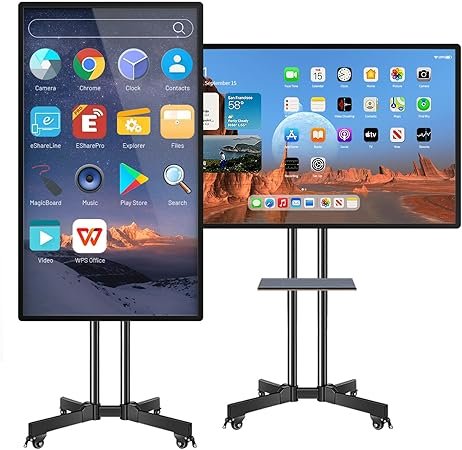
Enhance collaboration with Smartboards’ Digital Electronic Whiteboard. Interactive, efficient, and perfect for modern classrooms.
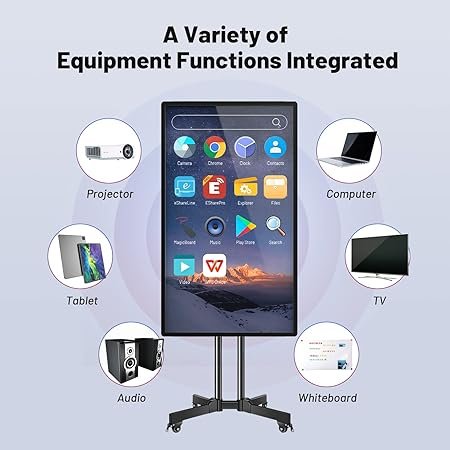
Introduction to Smartboard Technology
Smartboard technology represents a significant advancement in the realm of collaborative tools, transitioning from traditional whiteboards to sophisticated interactive platforms. Essentially, smartboards are digital electronic whiteboards that allow users to display, interact with, and manipulate content directly on the screen. This evolution has been driven by the need for more effective communication and collaboration in both educational and professional settings.
One of the hallmark features of smartboards is their touch sensitivity, which enables users to write, draw, and navigate content using a stylus or their fingers. This functionality transforms a passive display into an interactive experience, encouraging active participation from all users. Additionally, smartboards offer various connectivity options, including USB, HDMI, and Bluetooth, allowing seamless integration with a multitude of devices such as computers, tablets, and smartphones. This interoperability ensures that users can easily share information and collaborate on projects regardless of their location or device.
Integrated software further enhances the capabilities of smartboards. Many models come with pre-installed applications that facilitate real-time collaboration, engaging presentations, and dynamic lessons. Features like screen sharing, virtual whiteboarding, and educational tools make it easier for users to brainstorm ideas, visualize concepts, and deliver impactful presentations. As a result, smartboards have become essential tools in modern classrooms and workplaces, fostering a more interactive and engaging environment.
In summary, smartboard technology has fundamentally changed the way individuals collaborate, providing innovative features that improve communication and engagement. Understanding this evolution is crucial in recognizing why smartboards are increasingly being adopted across various sectors, ultimately revolutionizing the approach to learning and teamwork.
Key Benefits of Using Smartboards
The implementation of smartboards in classrooms and workplaces has significantly transformed the teaching and collaboration landscape. One of the most prominent advantages of smartboard technology is the enhanced engagement it fosters among users. Interactive learning environments facilitated by smartboards allow instructors to integrate multimedia elements such as videos, images, and interactive simulations into their lessons. This not only captures the attention of students but also allows for dynamic participation, encouraging learners to interact with content in real time, thus improving comprehension and retention of information.
Moreover, smartboards promote improved collaborative capabilities among team members in various settings. With features such as multi-user support, individuals can work simultaneously on projects, allowing for brainstorming sessions where ideas can be visualized and captured on the same digital canvas. This collaborative approach not only enhances teamwork but also nurtures creative thinking and problem-solving skills. As participants share their perspectives and insights, it leads to a more inclusive atmosphere, driving innovation and collective ownership of tasks.
Another key benefit is the personalization of content delivery options that smartboards offer. Instructors and team leaders can tailor lessons or presentations to meet the unique needs of their audiences, thereby ensuring that the material resonates with them. For instance, case studies from educational institutions that have adopted smartboard technology reveal enhanced academic performance and engagement levels among students. Companies that utilize smartboards for training sessions report increased retention rates and overall satisfaction among employees as they navigate through customized learning experiences.
The successful integration of smartboards is evident not only through quantitative results but also in the qualitative feedback from users, which highlights their effectiveness in enhancing both educational and professional outcomes.
Smartboard Features and Functions
Smartboards have emerged as essential tools in modern classrooms and professional settings, offering a range of features that facilitate enhanced collaboration and interactive learning. One of the most significant functionalities is screen sharing, which allows users to display content from their personal devices directly onto the Smartboard. This feature promotes seamless collaboration among participants, enabling them to share ideas and information in real-time, ultimately enriching the educational experience.
Another crucial aspect of Smartboards is their multimedia integration capabilities. Users can easily incorporate various forms of media, including videos, images, and audio files, into their presentations. This integration fosters a dynamic learning environment, engaging students and audiences with diverse content formats that cater to different learning styles. Moreover, the annotation tools provided by Smartboards allow users to write or draw directly on the screen, facilitating spontaneous discussion and highlighting key concepts in an interactive manner.
Cloud storage capabilities further enhance the functionality of Smartboards. Users can save their work and access it from any device via the cloud, ensuring that important materials are always available. This feature also simplifies content distribution, as educators can easily share lesson plans and resources with students, promoting a more collaborative learning atmosphere.
Recent technological advancements in Smartboard design have also significantly improved user experience. Enhanced sensitivity allows for better touch responsiveness, making it easier for users to interact with content. Furthermore, the integration of advanced software has led to improved functionality, offering features such as virtual collaboration tools and various templates for lesson planning. Such innovations ensure that Smartboards continue to evolve, meeting the ever-changing needs of educators and presenters alike.
Best Practices for Using Smartboards Effectively
To maximize the potential of smartboards in both educational and corporate settings, it is imperative to adopt a systematic approach that emphasizes effective training, content creation, and engagement strategies. One of the first steps is to provide comprehensive training sessions for both staff and students, ensuring they are familiar with the functionalities of the smartboard. This training should cover the basic tools available on the smartboard, alongside more advanced features that can enhance interactivity, such as touchscreen capabilities and application integration. Regular workshops can also help reinforce these skills and keep all users updated on new features.
Creating engaging content is another critical element of smartboard utilization. It is essential to use a variety of multimedia resources, such as images, videos, and interactive presentations, to cater to different learning styles and to maintain the audience’s interest. Utilizing templates and collaborating on content creation can also enhance involvement. Recognizing the interactive aspects of smartboards, like polling and quizzes, can stimulate participation and foster a collaborative environment. These tools can be particularly effective in drawing out quieter participants and creating a vibrant exchange of ideas.
However, users should also be mindful of common pitfalls to avoid. Overloading the smartboard with too much information can overwhelm the audience and detract from the key messages being conveyed. Maintaining clarity and simplicity in presentations is crucial. Additionally, as technology evolves, it is important to adapt and integrate new updates or tools into regular usage. Staying informed about advancements in smartboard technology will help educators and professionals remain on the cutting edge of digital collaboration, ensuring a more effective experience for everyone involved.
Smart Board, Digital Electronic Whiteboard
Transform Learning with Interactive Innovation.
- Interactive Learning Experience: Engage students with dynamic and interactive lessons that enhance understanding and retention.
- Efficient Collaboration: Facilitate seamless teamwork and brainstorming sessions with real-time updates and shared access.
- Versatile and User-Friendly: Easy setup and intuitive interface make it accessible for educators of all tech skill levels.
Rooling TV Stand with Wheels

Move Your Entertainment Anywhere, Effortlessly.
- Versatile Screen Compatibility: Supports a wide range of TV sizes from 32 to 70 inches, accommodating various screen types including LCD, LED, OLED, and Plasma.
- Mobility and Convenience: Equipped with smooth-rolling wheels, this stand allows effortless movement and positioning of your TV in any room.
- Sturdy and Reliable: Designed to hold up to 100lbs, ensuring stability and safety for your valuable screens.