
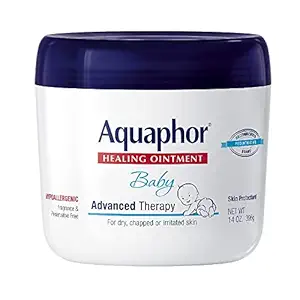
Therapy Skin Protectant soothes and heals chapped or dry skin with a gentle, nourishing formula. Ideal for sensitive, irritated skin.
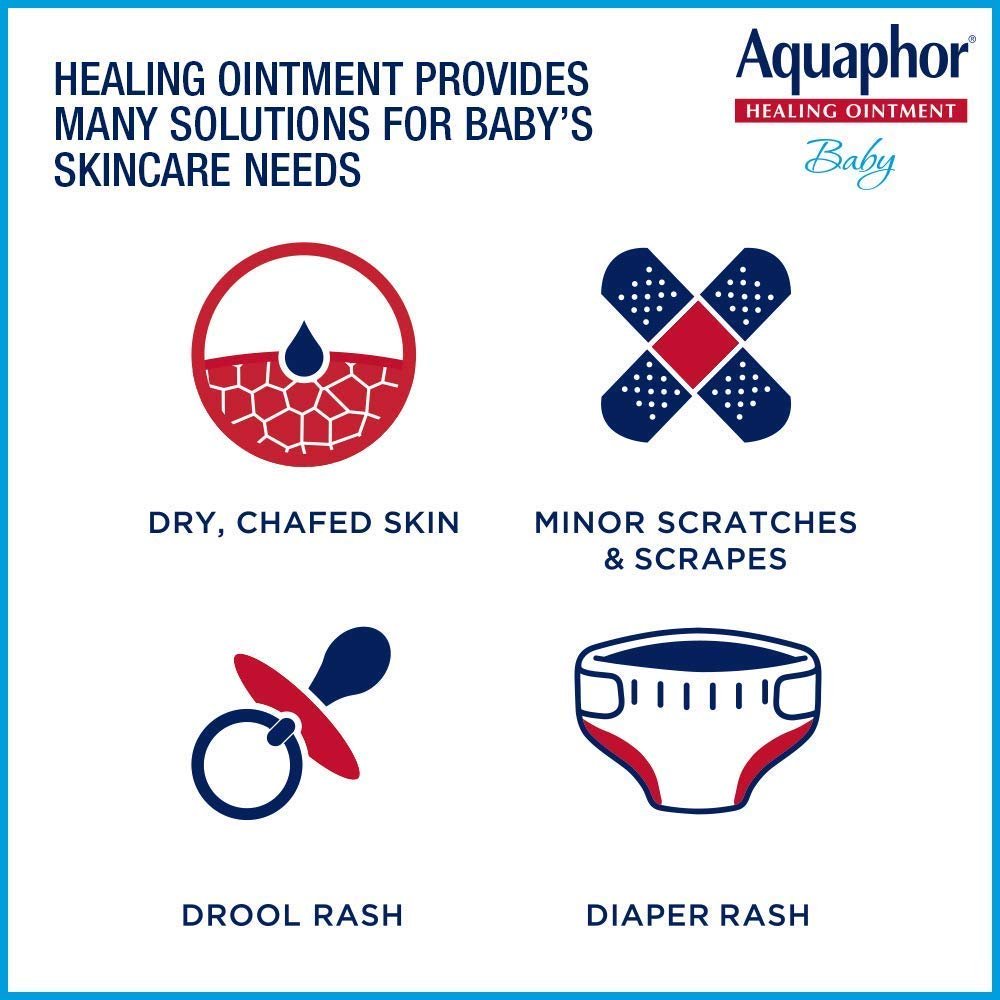
What are Therapy Skin Protectants?
Therapy skin protectants are specialized topical products designed to shield the skin from irritants while providing moisture retention for enhanced skin health. They are particularly beneficial for infants, whose skin is delicate and more susceptible to conditions like chapped skin and diaper rashes. The primary purpose of these protectants is to establish a barrier that prevents moisture loss, thereby maintaining skin hydration and preventing further irritation caused by wetness or friction.
Common ingredients in therapy skin protectants typically include petrolatum, zinc oxide, lanolin, and dimethicone. Petrolatum, for instance, is effective in providing a thick barrier that traps moisture and shields the skin from external irritants. Zinc oxide, often found in diaper rash creams, has anti-inflammatory properties that help soothe irritated skin while also acting as a barrier against moisture. Lanolin is a natural emollient that softens and hydrates the skin, offering additional protection against chafing. Dimethicone is a silicone-based ingredient known for its ability to glide over the skin, creating a smooth protective layer without causing further irritation.
The unique sensitivities of a baby’s skin necessitate the use of therapy skin protectants specifically formulated for their needs. Unlike adult skin, which has more robust protective capabilities, a baby’s epidermis is thinner and more permeable. As a result, traditional skin care products may not provide adequate protection and could lead to adverse reactions. Therapy skin protectants are thus essential not only for preventing common skin conditions but also for ensuring that the skin remains healthy, hydrated, and free from irritants. By using these specialized products, caregivers can help maintain the integrity of their baby’s skin, making it crucial to choose the right formulations designed for infant use.
Common Causes of Chapped Skin and Diaper Rashes in Babies
The delicate skin of babies is particularly susceptible to various conditions, notably chapped skin and diaper rashes. Understanding the common causes of these skin issues is vital in identifying and addressing them promptly. One significant factor contributing to chapped skin in infants is environmental influences. Extreme weather conditions, whether it’s cold, dry air in winter or intense heat during summer, can strip moisture from the skin, making it prone to chapping. Likewise, alterations in humidity levels can have adverse effects, leading to dryness and irritation.
Another common cause of diaper rashes is friction that results from the constant movement and rubbing of clothing and diapers against the skin. When a diaper fits too tightly or if a child experiences frequent wetness, irritation can develop, resulting in uncomfortable rashes. Parents should regularly check the fit of diapers and monitor the duration of wear to prevent excessive friction and moisture that can exacerbate the rash.
Dietary factors also play a role in the development of chapped skin and diaper rashes. Introducing new foods can lead to allergic reactions or sensitivities in some infants, which may manifest as skin irritation. Certain acidic foods, particularly citrus fruits, can increase the likelihood of diaper rashes. Keeping track of dietary changes and associating them with skin reactions can help parents identify possible triggers.
Recognizing the early symptoms of chapped skin and diaper rashes is essential for effective prevention and treatment. Signs such as redness, dryness, or discomfort when changing diapers should prompt parents to investigate possible underlying causes. By understanding these common contributors, caregivers can proactively manage their child’s skin health and facilitate a more comfortable experience for their infants.
How to Choose the Right Therapy Skin Protectant
Selecting the appropriate therapy skin protectant for babies can be a crucial decision for parents concerned about their child’s delicate skin. It is essential to consider several factors to identify a product that not only offers relief but is also safe for infant use. The first aspect to evaluate is the ingredients used in the skin protectant. Parents should opt for products that contain natural and gentle components, avoiding those with harsh chemicals, parabens, and fragrances. These ingredients can exacerbate skin issues or cause adverse reactions, particularly in sensitive skin.
Hypoallergenic products are particularly beneficial when choosing a therapy skin protectant. These formulations are designed to minimize the risk of allergic reactions, offering peace of mind for parents who worry about potential sensitivities. Additionally, it is advisable to select fragrance-free options since synthetic fragrances can irritate a baby’s skin. By prioritizing hypoallergenic and fragrance-free products, parents can provide effective protection against chapped skin and diaper rashes without introducing unnecessary irritants.
The consistency of the product also plays a significant role in its effectiveness. Ointments typically provide a thicker barrier against moisture and are excellent for severe cases of chapped skin. Conversely, creams may be easier to apply and could be more suitable for daily use on healthy skin. Parents should consider their baby’s specific needs when deciding between ointments and creams, ensuring that the selected therapy skin protectant aligns with the severity of the skin issue.
Finally, consulting with pediatric dermatologists or healthcare providers can be invaluable. Professionals can offer personalized recommendations based on an infant’s unique skin concerns, ensuring that parents select the most suitable therapy skin protectant for their newborn’s delicate skin.
Best Practices for Application and Skin Care Routine
Proper application of therapy skin protectants is essential for maximizing their effectiveness in preventing and treating chapped skin and diaper rashes in babies. The first step is to ensure that the affected area is clean and dry before applying any product. This begins with gentle cleansing using mild soap and warm water during diaper changes or bath time. After cleaning, gently pat the skin dry with a soft towel, being careful not to rub or irritate the sensitive skin.
Once the area is dry, a thin layer of therapy skin protectant should be applied. The key is to use only a small amount, as a thicker application does not necessarily yield better results and can lead to an uncomfortable, greasy residue. Ensure that the product is spread evenly across the skin, particularly in folds and creases where moisture can accumulate. For optimal protection, this application should occur at every diaper change, especially if the baby has wet or soiled diapers, which can exacerbate skin irritation.
Beyond the direct application of protectants, maintaining a consistent skin care routine is crucial. Parents should aim to change diapers frequently—ideally every two to three hours—and especially after bowel movements. Bathing the baby two to three times a week is usually sufficient, but caregivers should be mindful not to over-bathe, as this can lead to dryness. After baths, applying a gentle moisturizer can further enhance skin hydration and barrier function.
Additionally, keeping the baby’s skin well-hydrated and protected from harsh elements will help in preventing future incidents of chapping or rashes. By following these best practices, parents can ensure their baby’s skin remains healthy, smooth, and safeguarded against irritants.
Aquaphor Baby Ointment
Ultimate Protection for Baby’s Sensitive Skin
- Clinically Proven: Provides fast relief for dry, chapped, or irritated skin, including diaper rash.
- Gentle & Safe: Free from fragrances, preservatives, and dyes, making it ideal for sensitive baby skin.
- Multi-Use: Perfect for a variety of skin concerns, from dry patches to minor cuts and scrapes.
Aquaphor Baby Ointment Tube
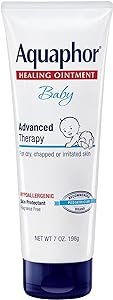
Advanced Healing for Dry Skin Relief
- Effective Diaper Rash Treatment: Provides fast relief and helps prevent future rashes with its protective barrier.
- Multi-Purpose: Heals dry skin, chapped lips, minor cuts, and scrapes, making it a versatile go-to for the whole family.
- Gentle & Safe: Clinically tested, fragrance-free, and dermatologist recommended, ideal for sensitive baby skin.
Triple Paste Diaper Cream

Strong Protection, Gentle Care for Babies
- Maximum Strength Protection: Provides fast relief and long-lasting protection for severe diaper rash.
- Gentle & Hypoallergenic: Clinically proven to be safe for sensitive skin, with no fragrances or dyes.
- Thick, Long-Lasting Barrier: Creates a protective layer that shields baby’s skin from moisture and irritants.